The practice moves across scales: from viral morphology and cellular transformation to transmission, population networks, and the body as a site of encounter, observation and social record.
Human Papillomavirus
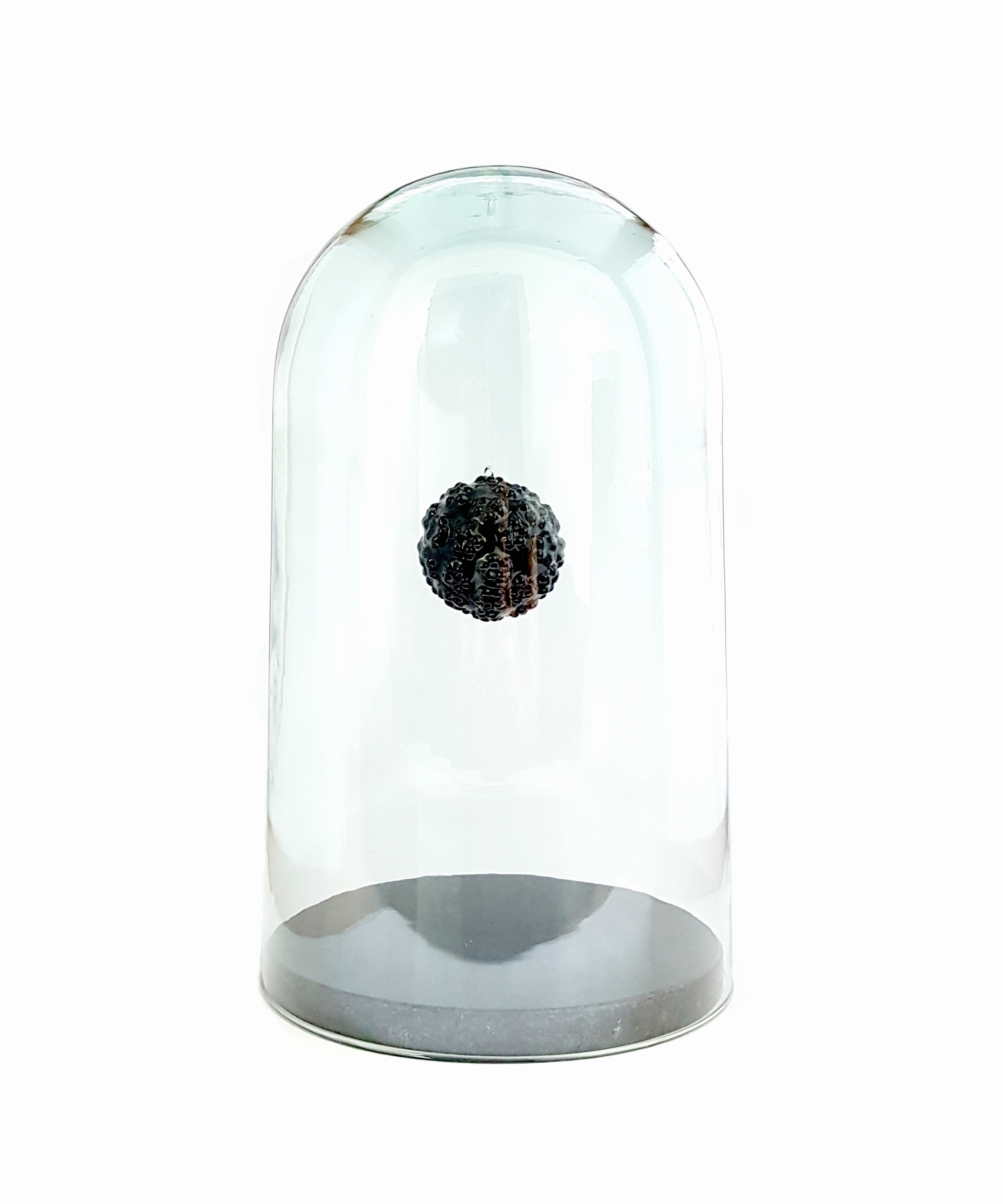
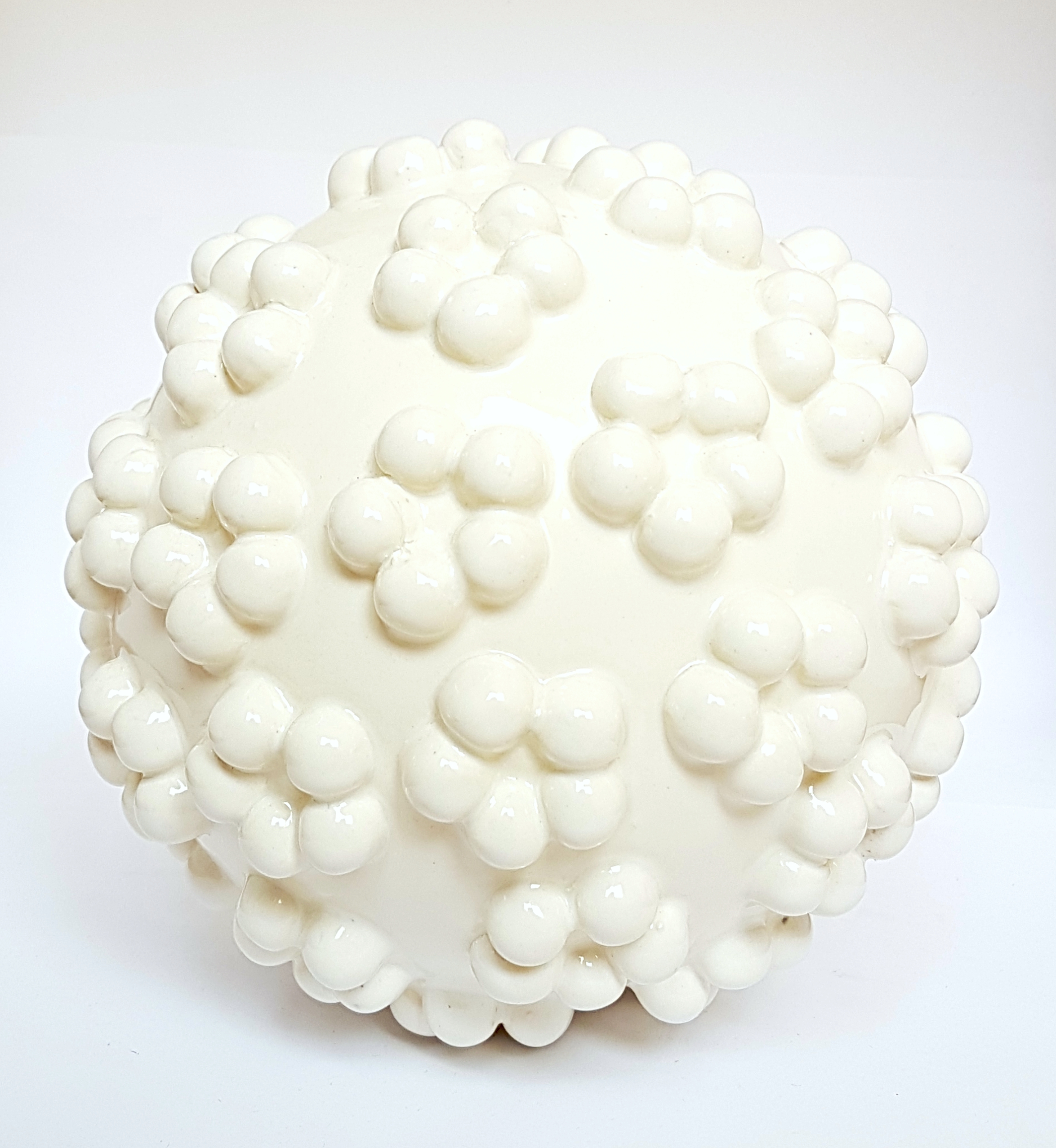
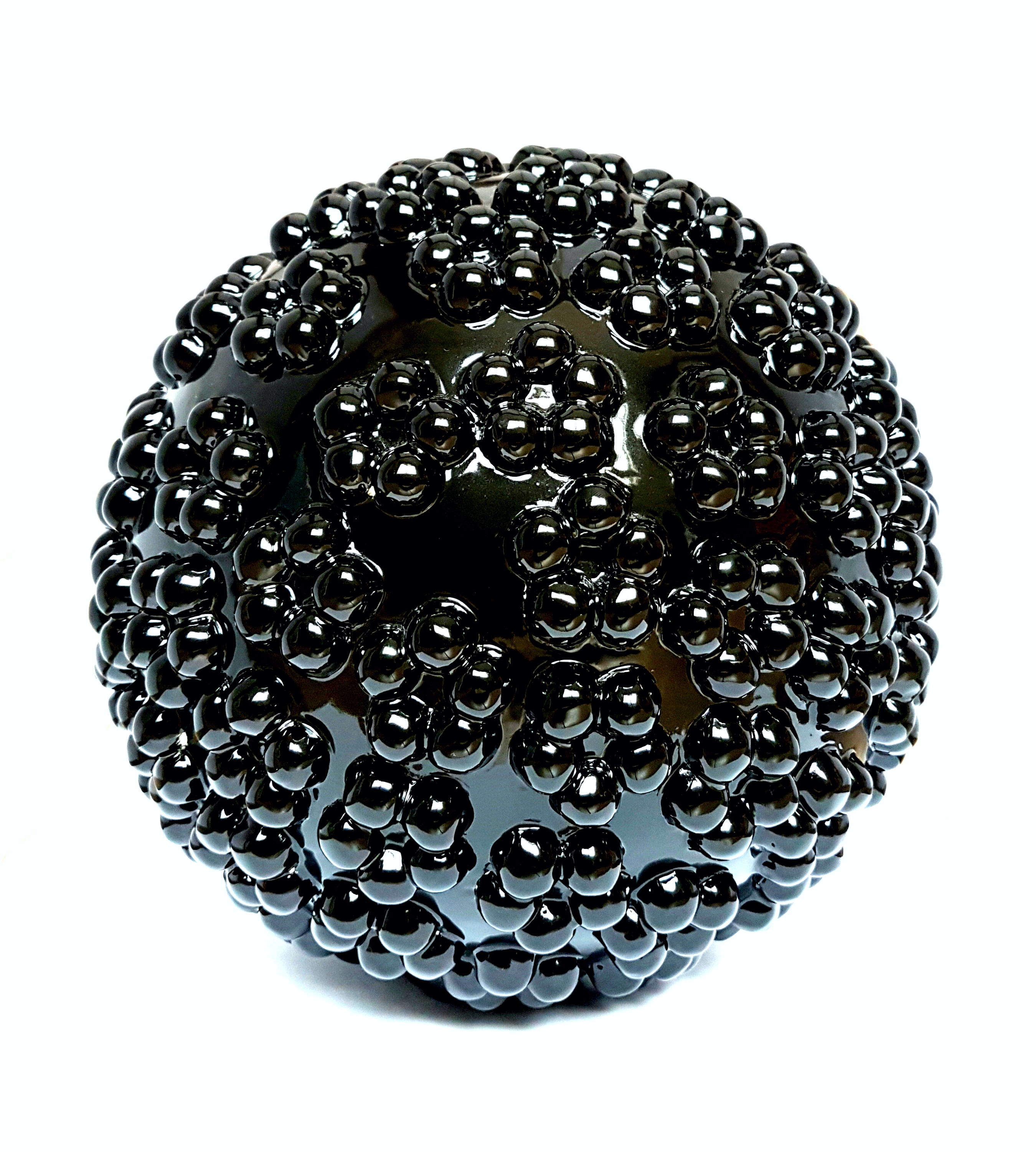
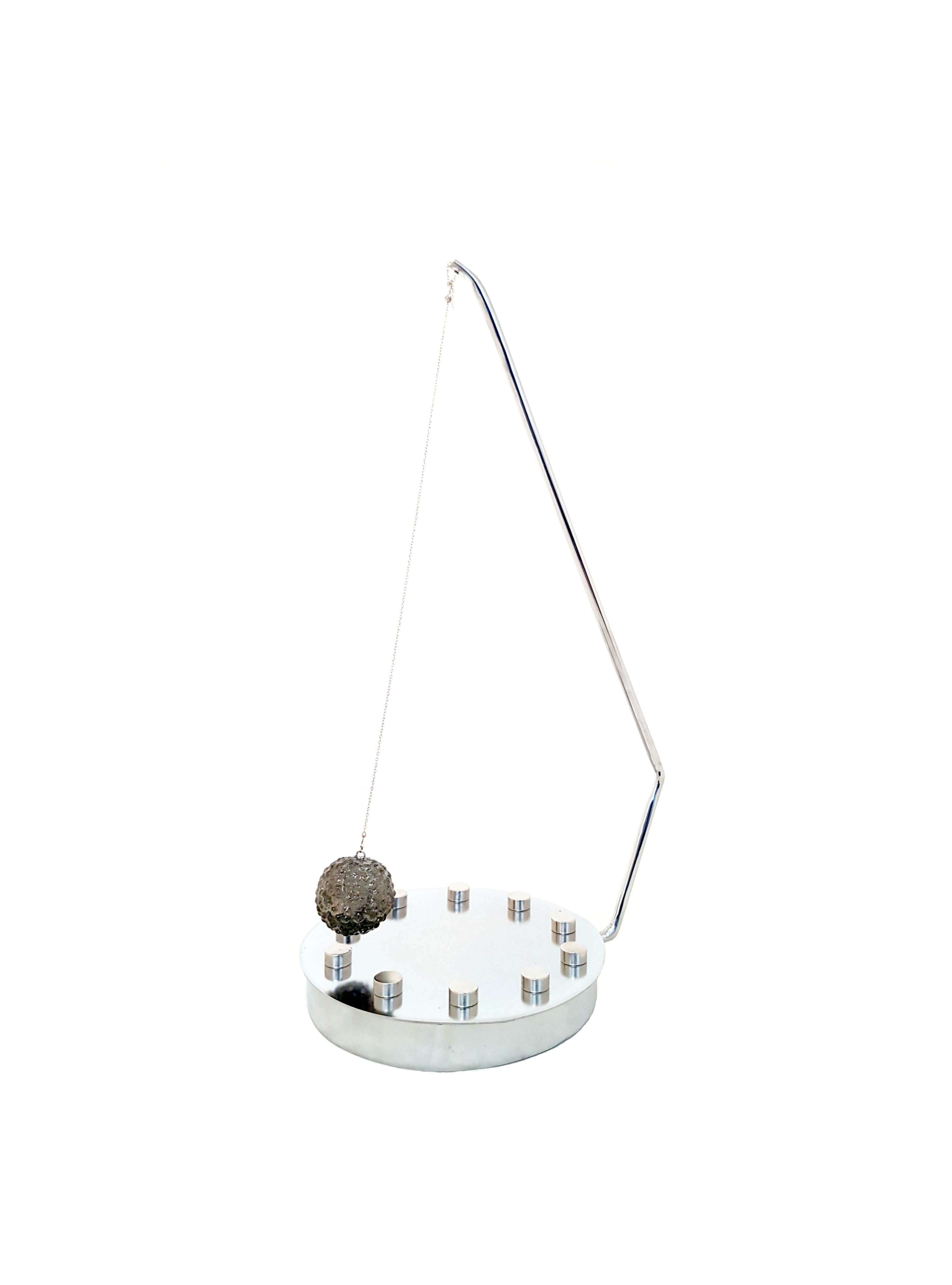
The work gives a microscopic agent physical scale. Viral structures are translated into ceramic, glass, metal and drawing, making an otherwise invisible infection encounterable as an object.
The material logic is inseparable from medicine. Ceramic processes echo destructive treatment by heat and cold; the Karyogram works use trichloroacetic acid, a chemical used clinically on HPV lesions. A recurring black-and-white code distinguishes high- and low-risk groups.
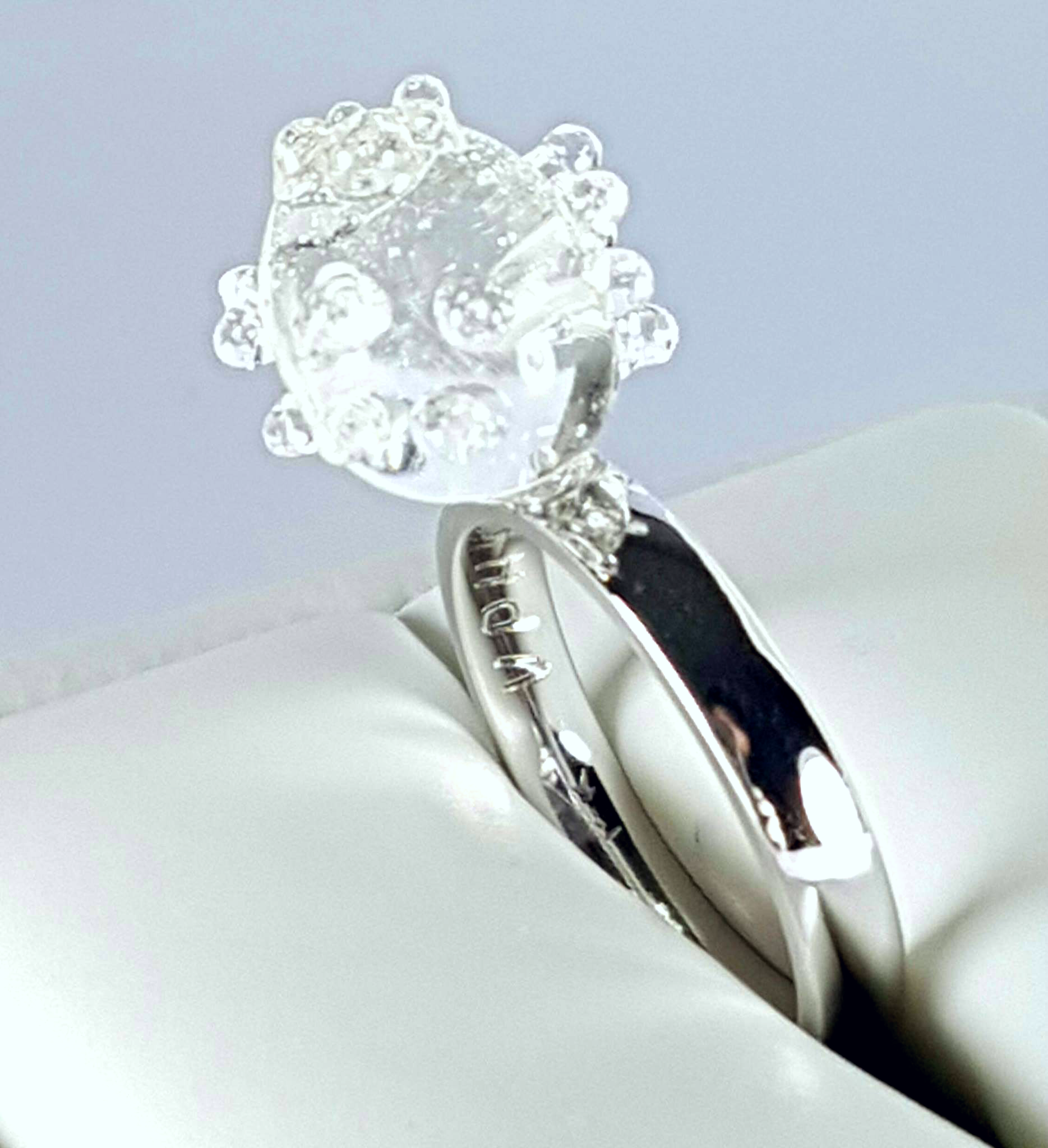
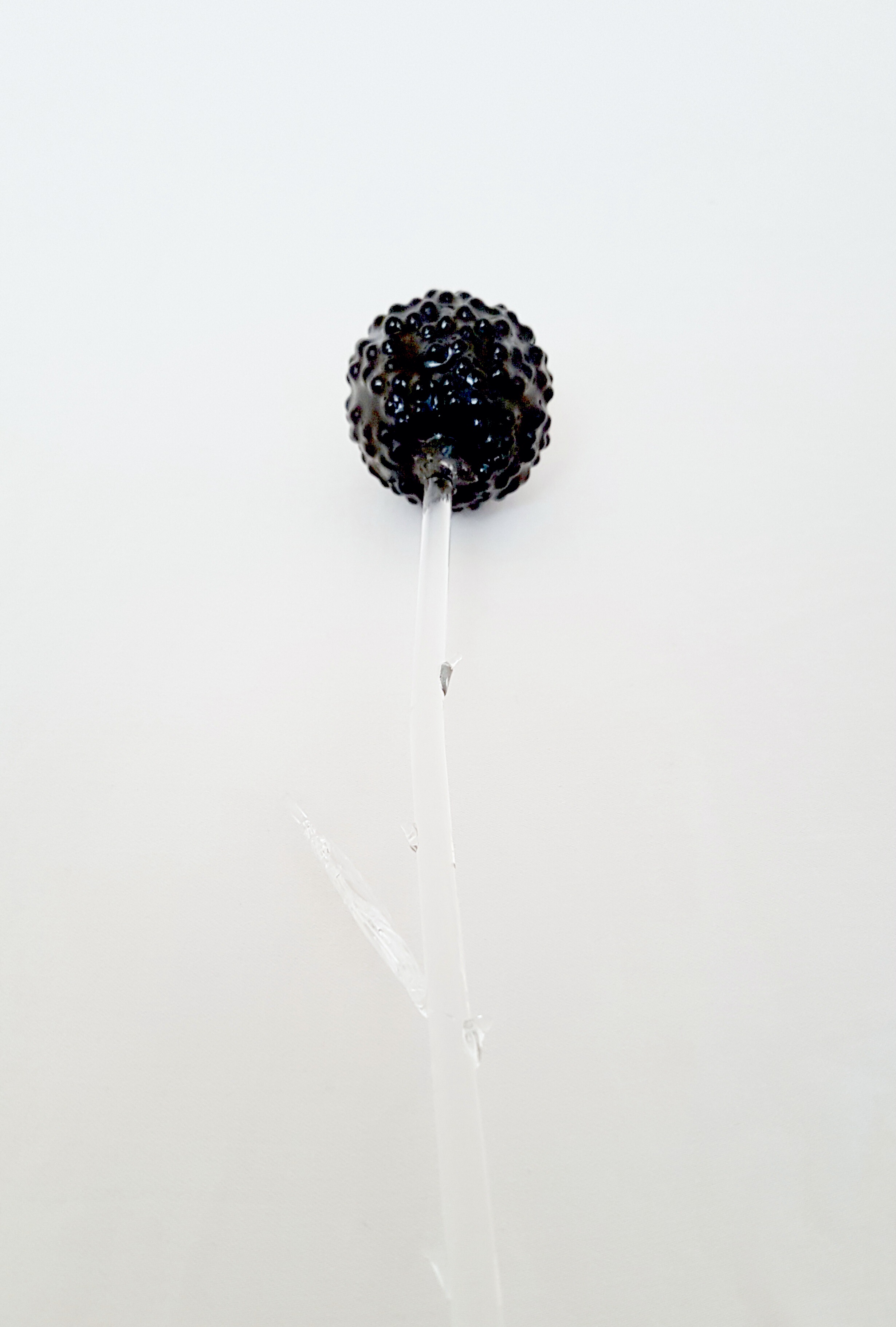
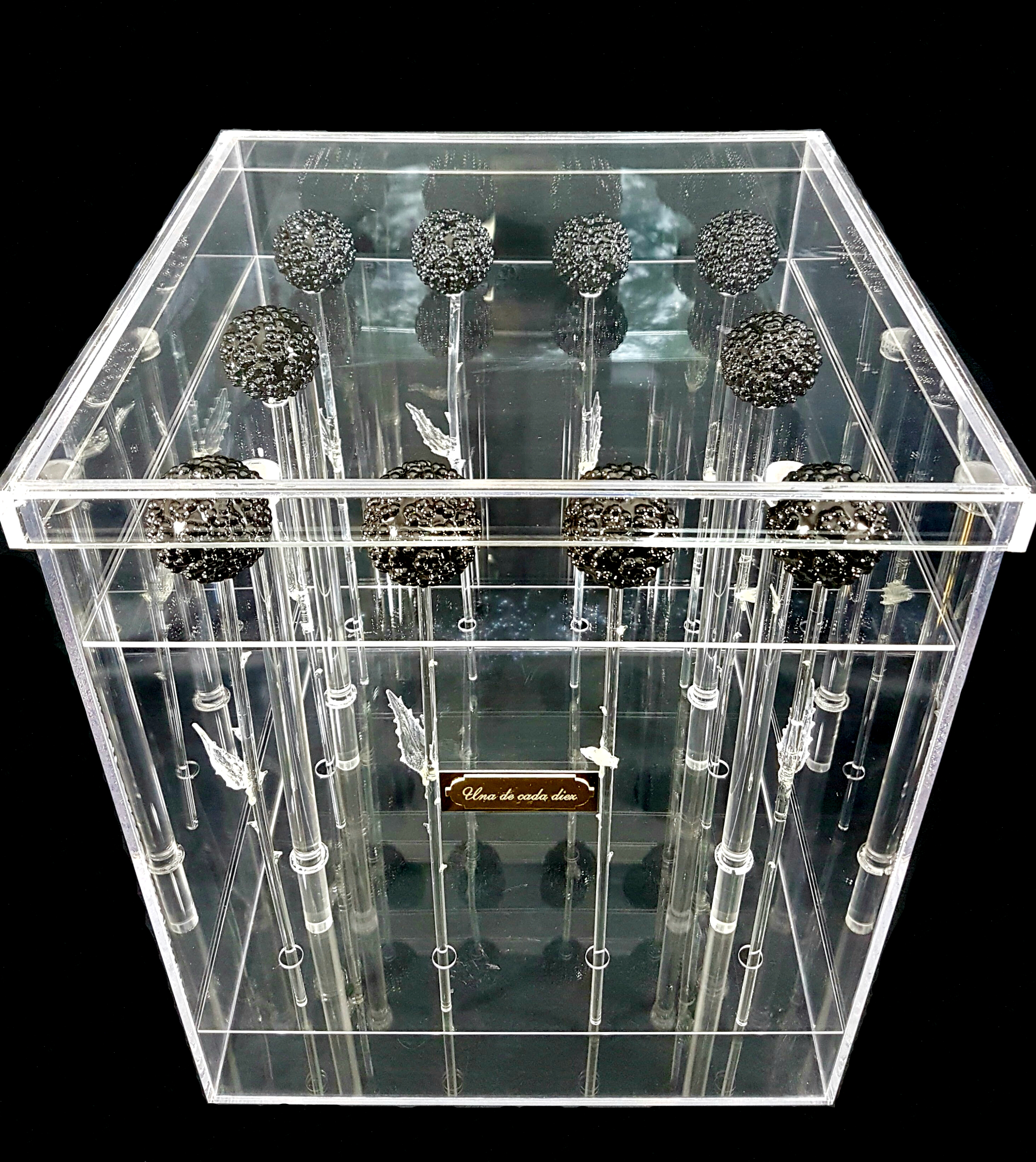
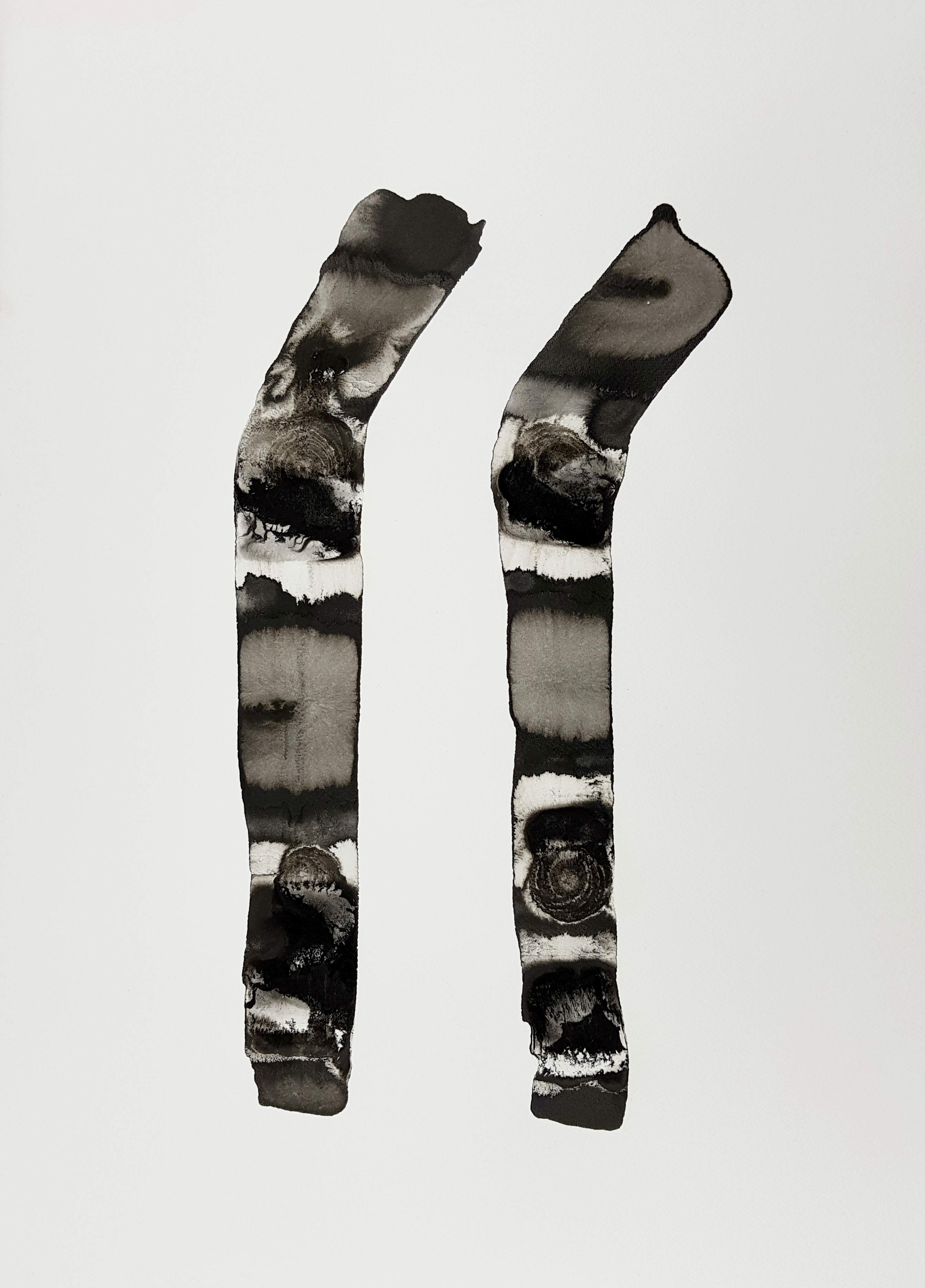
Viral Integration Sequence
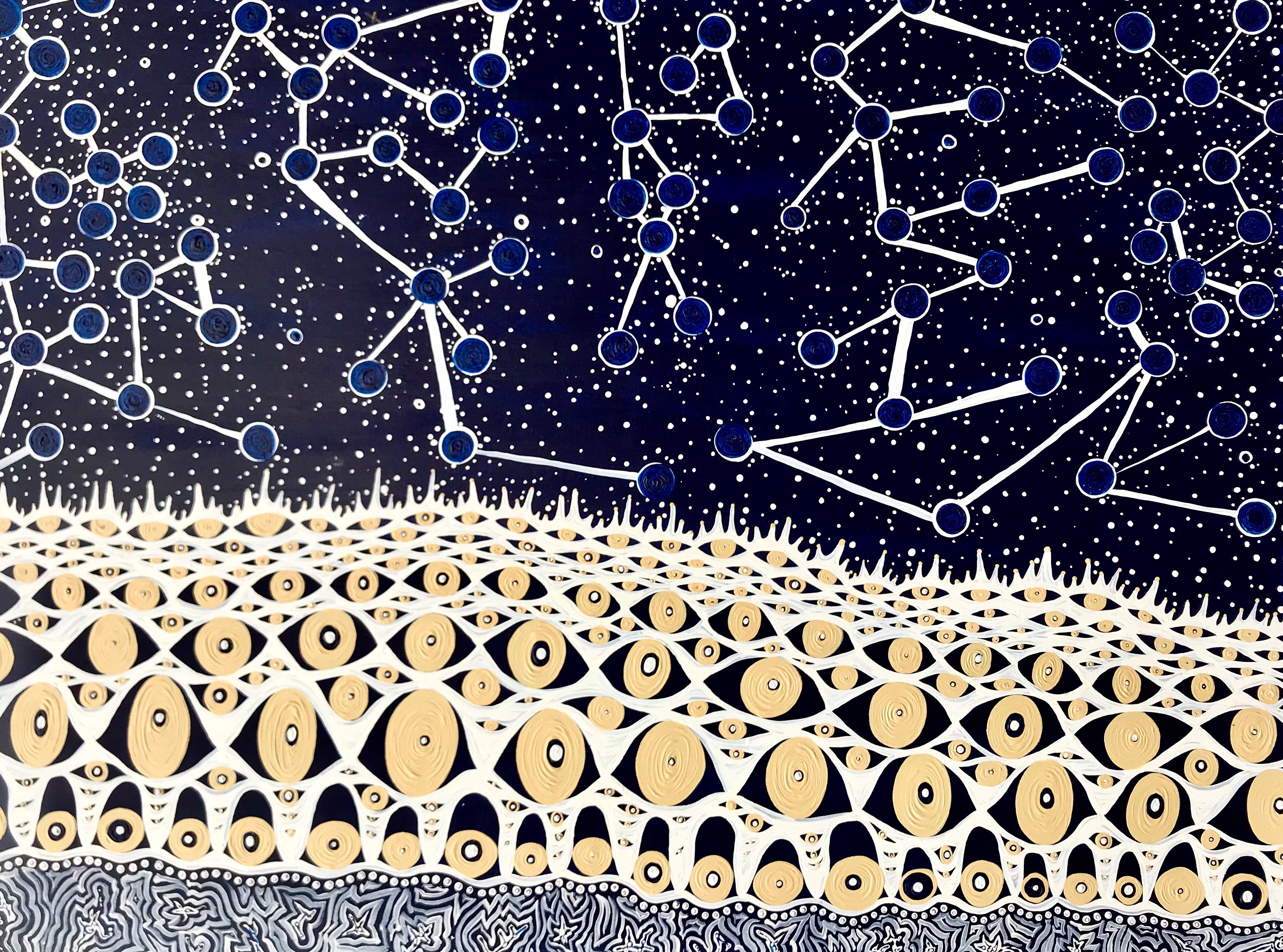
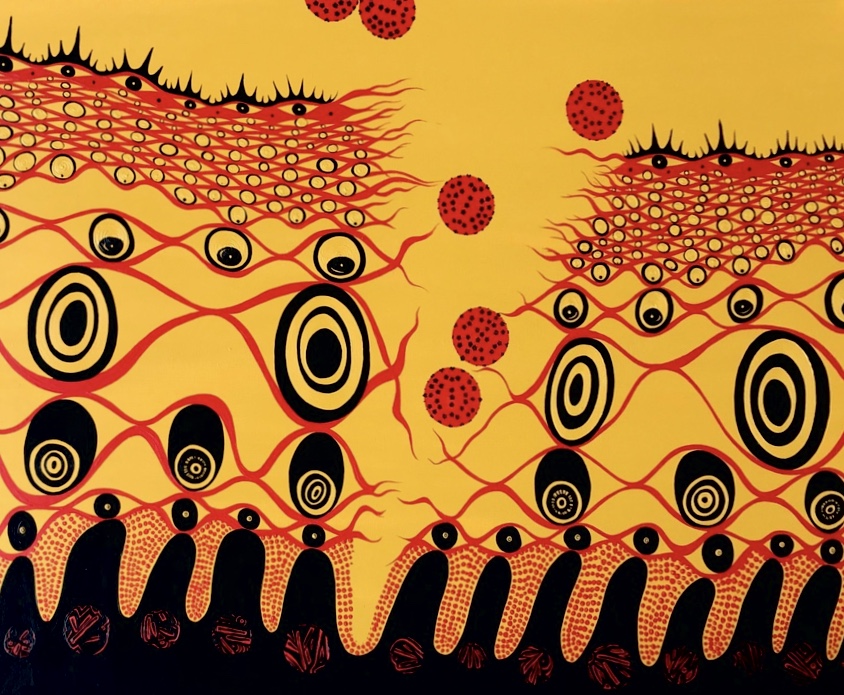
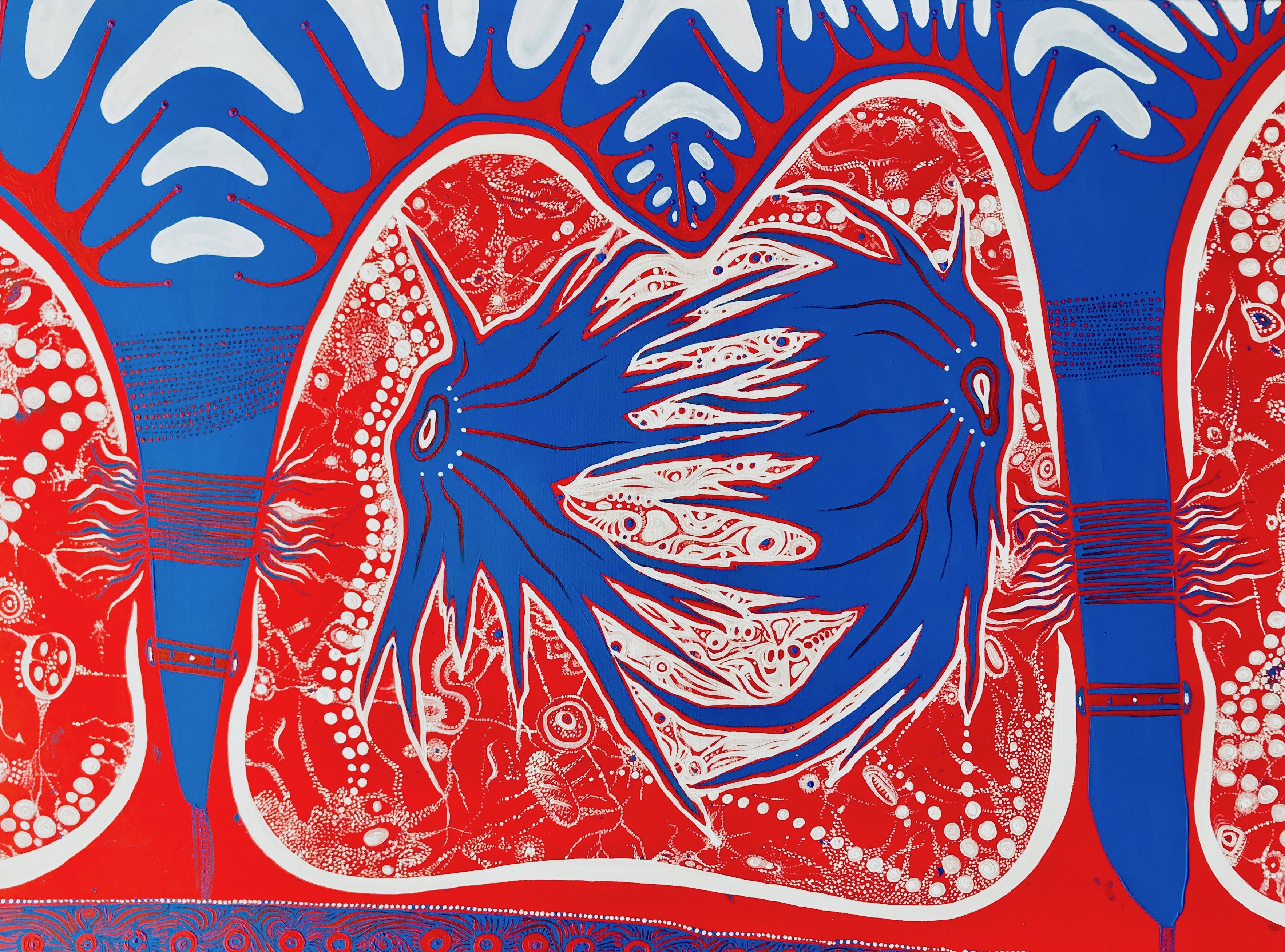
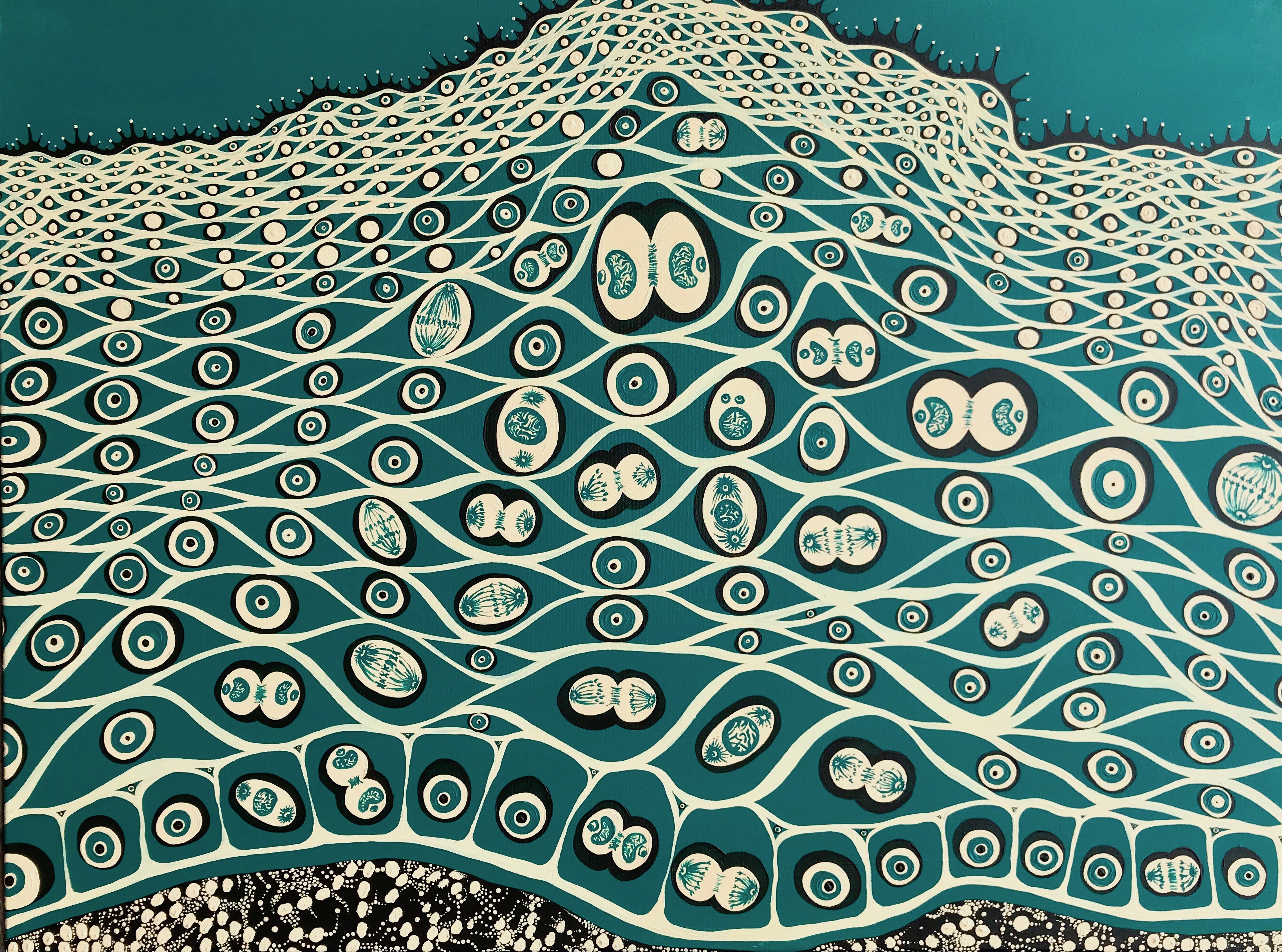
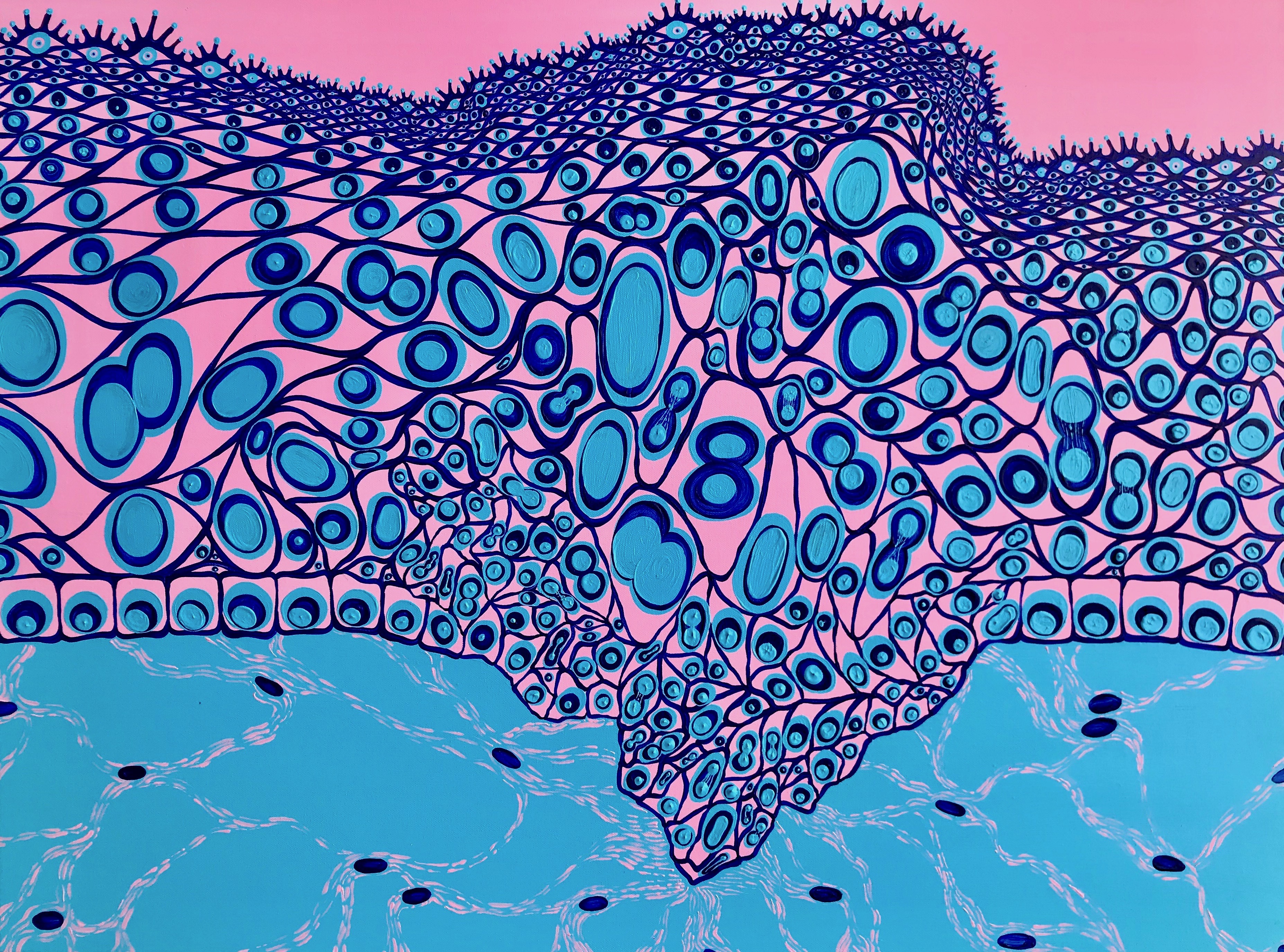
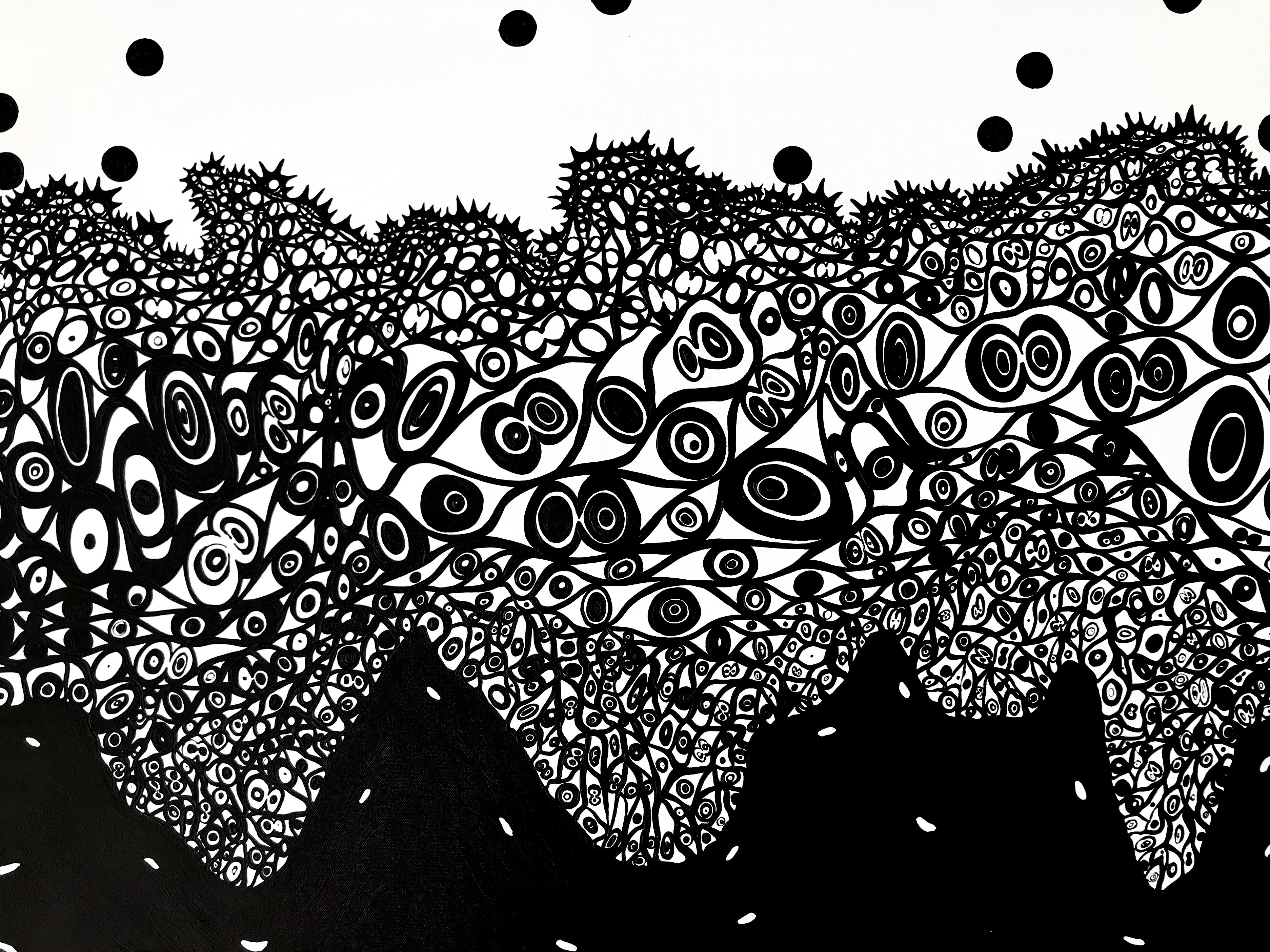
Six works mark key cellular stages through which HPV encounters tissue, enters through microtrauma, integrates and may progress toward dysplasia and cancer.
The sequence was developed in Sydney during postgraduate training in sexually transmitted infections. Biological progression becomes a temporal visual structure: encounter, entry, integration, amplification, transformation and shedding.

Viral Networks
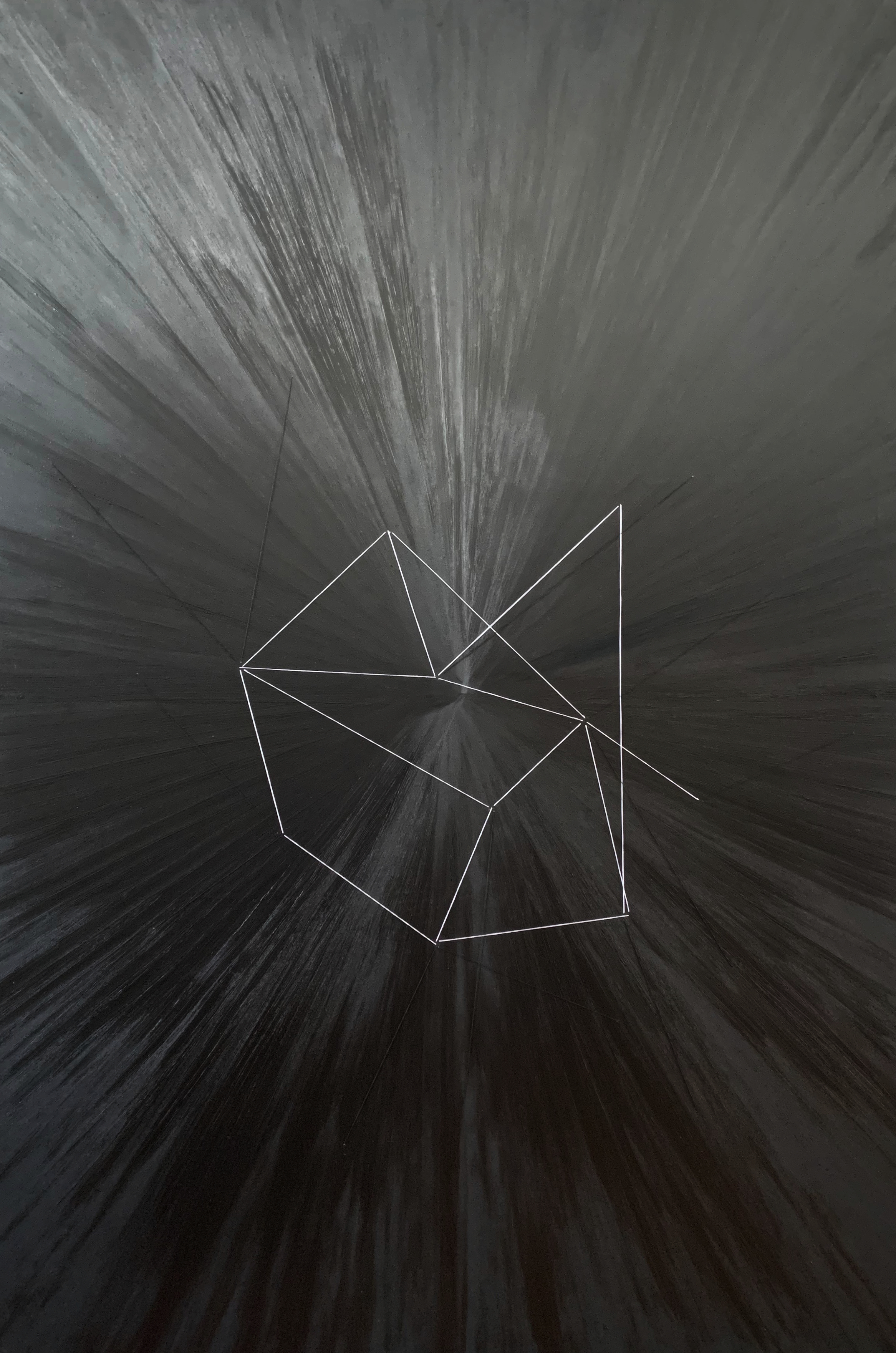
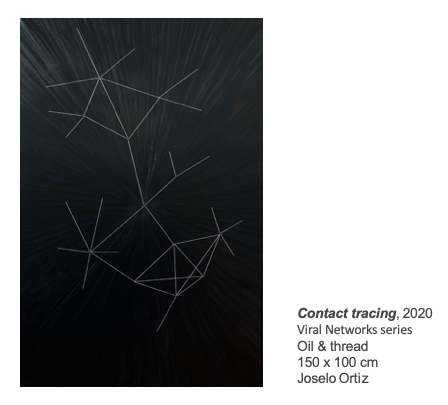
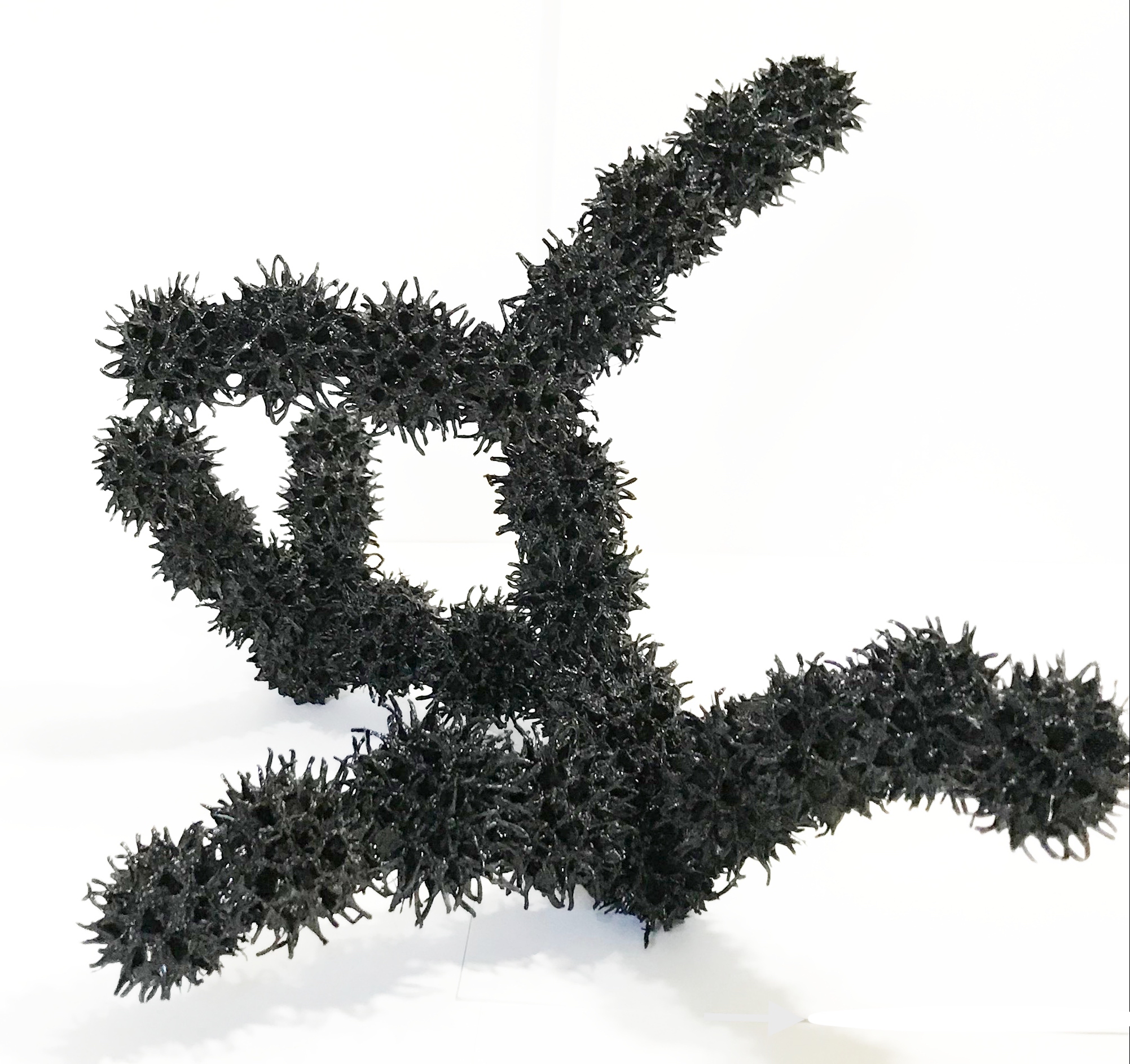
The project emerged from sexual-health research in Sydney and from observing that microbiological agents circulate differently across population groups. The forms originate in the interpretation of epidemiological data.
Laboratory stains used to analyse infected samples are applied to cotton paper; epidemic models are extended into sculpture with Liquidambar seeds. The work links infectious disease to social behaviour and the conditions that allow transmission to persist.
Specimens
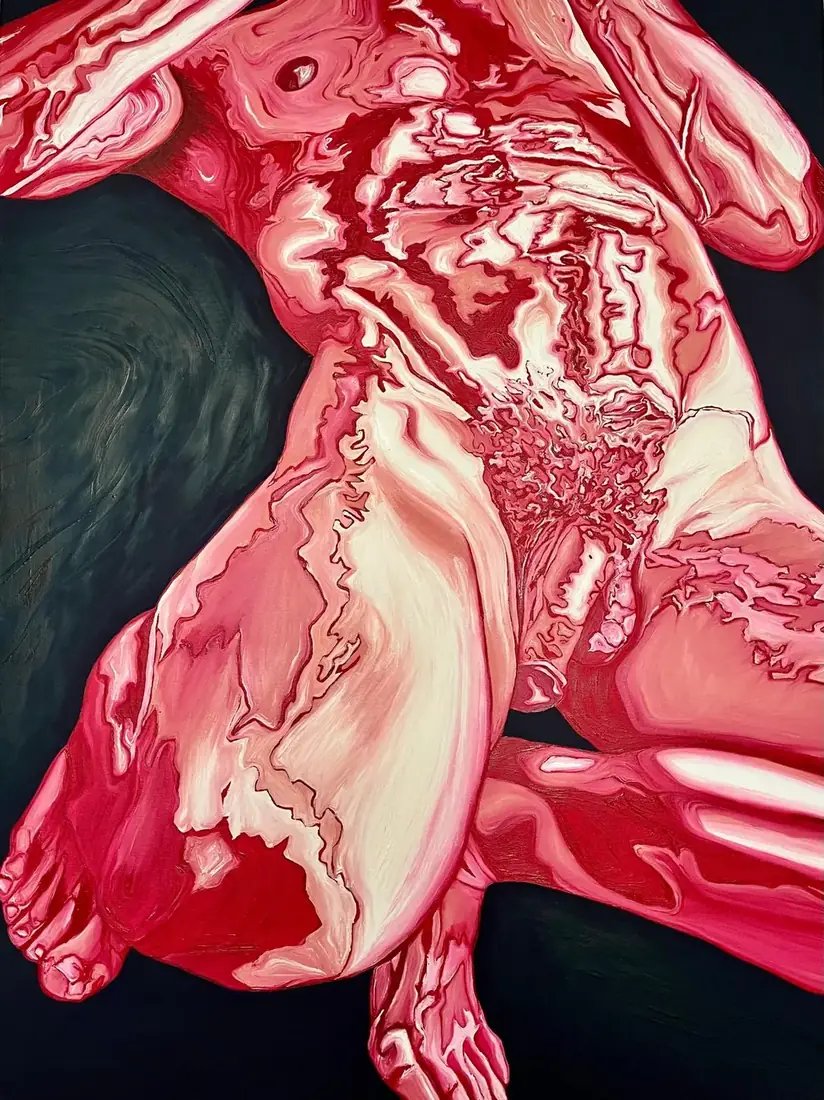
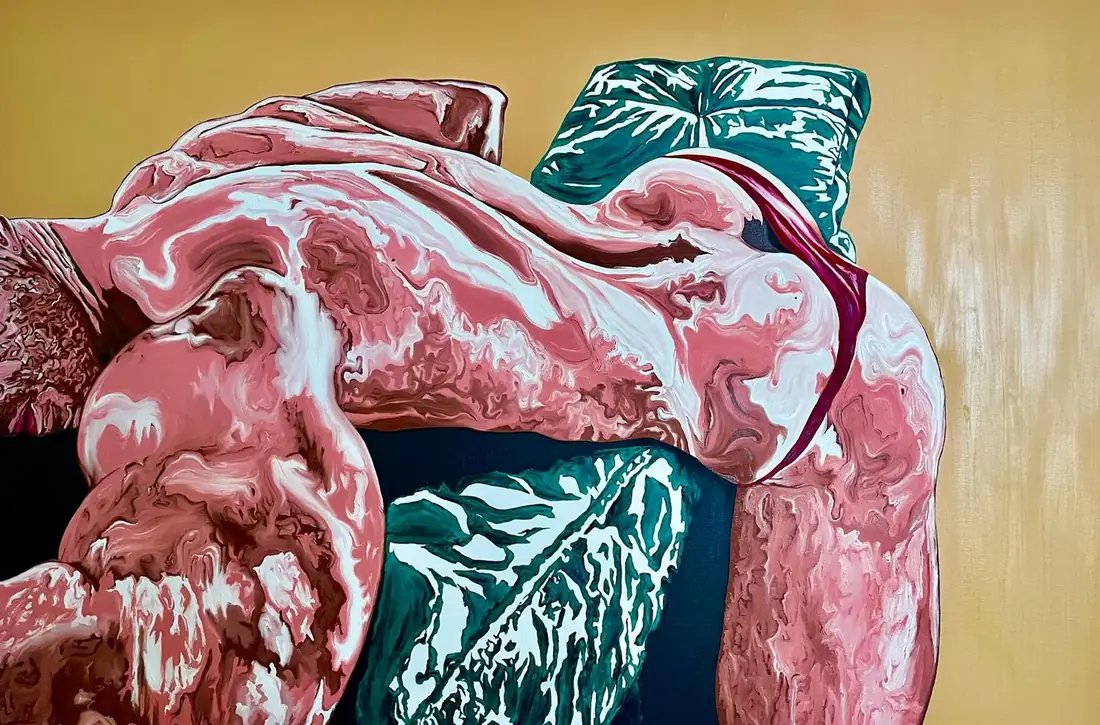
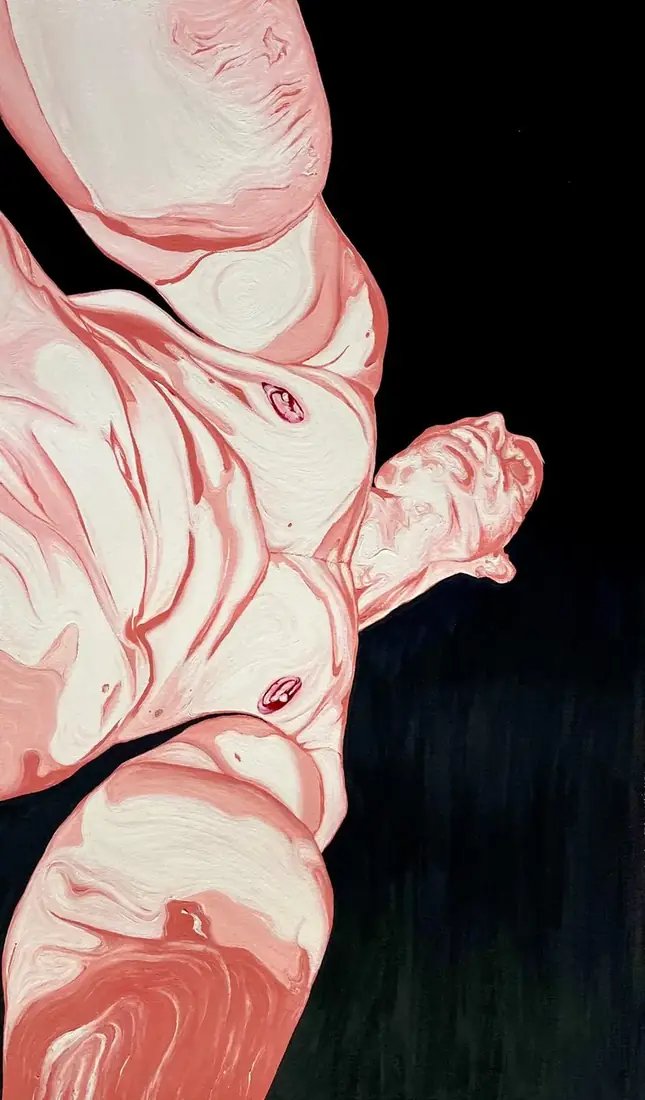
These paintings extend an investigation of biological and social systems toward the human figure. The body is approached as a site of observation, tension and transformation—at once intimate and estranged, whole and fragmentary.
The term specimen holds a deliberate tension between clinical observation and the irreducible specificity of a person. Rather than classifying the figure, the series tests what becomes visible when habits of looking associated with medicine are brought into proximity with encounter, vulnerability and desire.
The body as record
Medicine, microbiology and epidemiology operate here not as visual themes but as methods for reading the relation between biological events and social conditions.
Across writing, interviews, artist talks and public-health conversations, the same question persists: what becomes visible about human behaviour when the methods used to observe disease are turned toward the relationships between bodies?
Selected contexts
Human Papillomavirus: Virus Meets the Skin placed the work inside the Sydney Sexual Health Centre, returning the project to a space where bodies, sexuality, public health and everyday care meet. The exhibition ran from 20 January to 17 February 2021 as part of The Waiting Room Project.
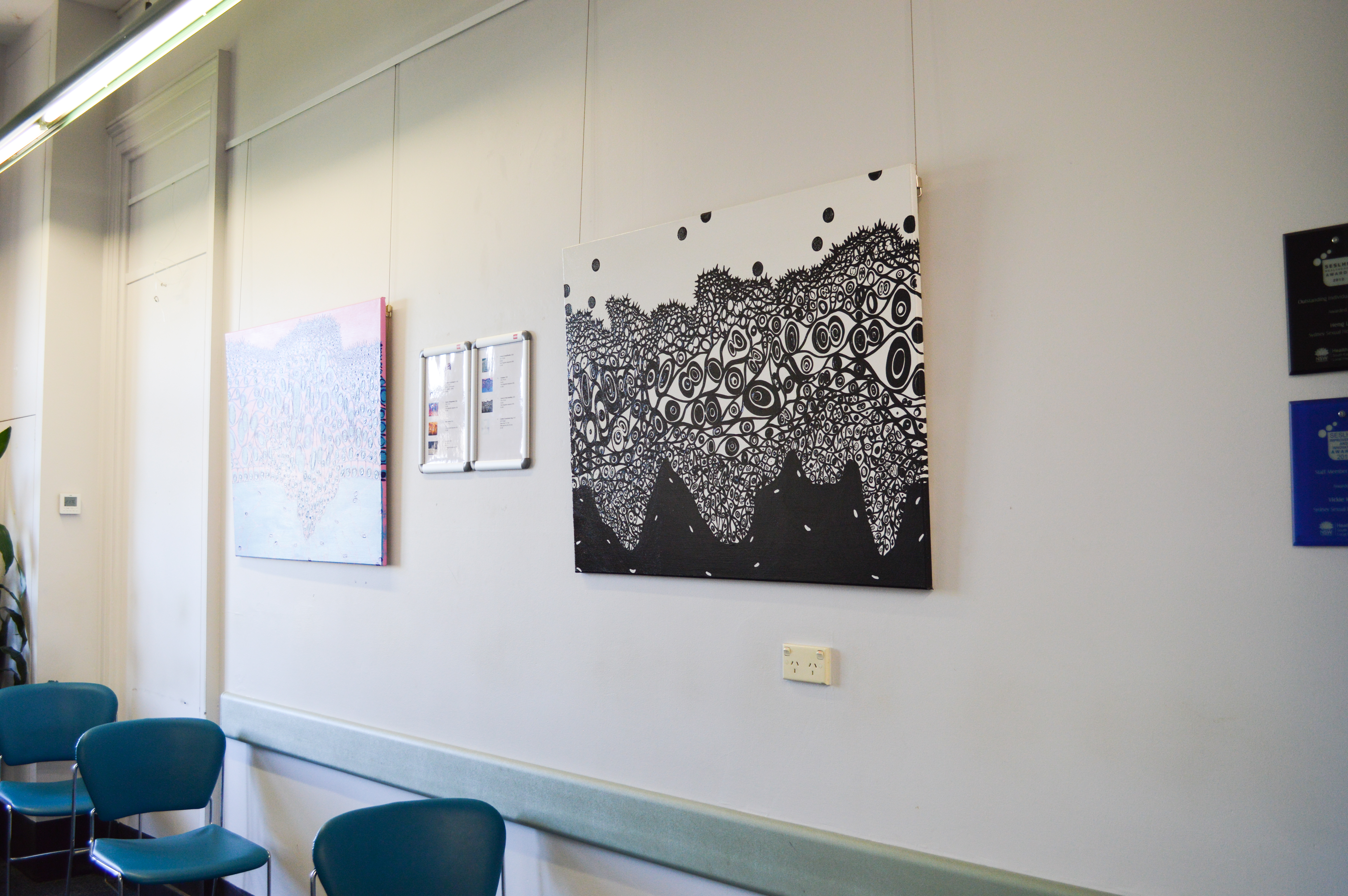
Human Papillomavirus: Virus Meets the Skin
Open Studio
The Encounter of the Sensible
Convergences
Joselo Ortiz
Joselo Ortiz (b. 1991, Torreón, Coahuila, Mexico) is a Mexican artist and medical doctor living and working in Sydney, Australia.
His practice uses methods drawn from medicine, microbiology and epidemiology to examine the body as a biological organism and as a record of social, political and cultural conditions.
Across sculpture, drawing, painting, writing and research, the work moves between microscopic form, cellular process and population-level transmission. This change of scale is central to the practice.
Master in Sexual and Reproductive Health (STIs & HIV), University of Sydney, 2018–2019.
Medical Doctor (MBBS), Faculty of Medicine, Autonomous University of Nuevo León, Monterrey, 2010–2016.
Additional studies in contemporary art, art history, project production and art writing in Monterrey, Mexico, 2015–2017.